Hydration and Heavy Periods: Replacing What You Lose
Why heavier cycles raise fluid and mineral considerations, how fatigue and lightheadedness connect to bleeding, and the signs heavy periods need evaluation.
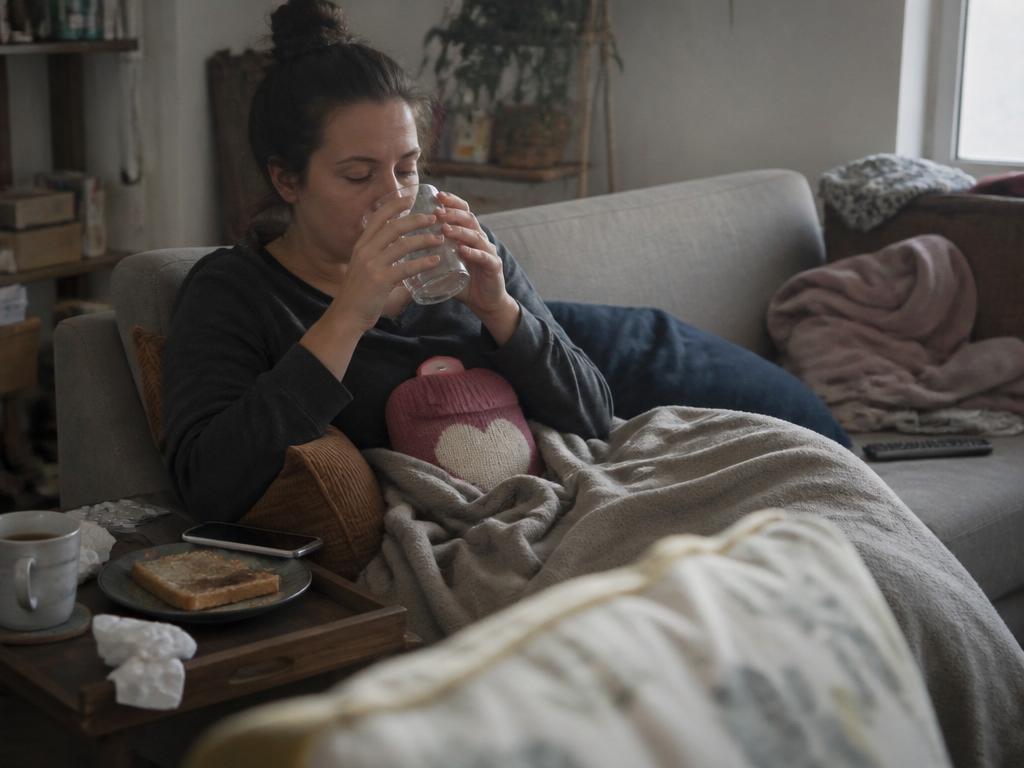
A heavy period is more than an inconvenience — it is a genuine loss of fluid and, over time, of iron, and your body notices. If your cycles are on the heavier side, hydration is part of feeling steadier, but it is only one piece, and some of this needs a clinician rather than a water bottle.
Fluid and iron context (with a clinician)
When you bleed more heavily, you lose more than blood volume in the moment — you also lose iron, the mineral your body uses to carry oxygen. Fluid is the part you can replace immediately and on your own; iron is more complicated and is firmly a conversation for your own clinician.
Here is the honest framing:
- Hydration helps with the fluid side. Drinking steadily through your heaviest days supports your blood volume and can help you feel less wrung out.
- Iron is not a DIY fix. Repeated heavy bleeding can, over time, draw down the body’s iron stores, and that is something a clinician should assess and manage — including whether you need testing or any treatment. Self-prescribing iron is not the move.
- Food matters too. Eating well, including iron-containing foods, supports you, but it does not replace medical evaluation if your periods are genuinely heavy.
The key distinction: water is something you can sensibly increase yourself during a heavy cycle. Anything to do with iron, blood counts, or the cause of the heavy bleeding belongs with a professional.
Fatigue, lightheadedness, and bleeding
Heavy periods can leave you feeling depleted in ways that go beyond ordinary period tiredness, and it helps to understand why so you can respond and know when to escalate.
Common experiences and what may sit behind them:
- Fatigue and feeling washed out, which can reflect both the fluid loss and, over time, lowered iron.
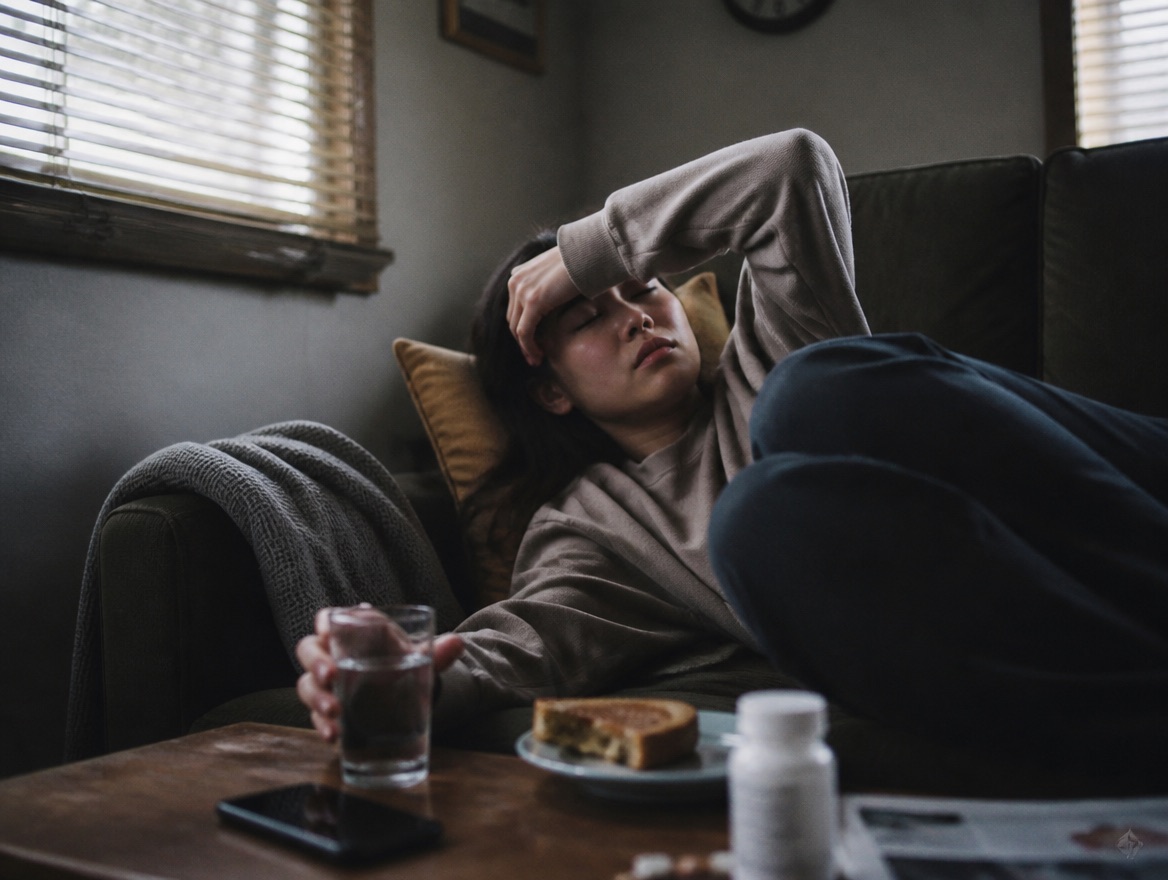
- Lightheadedness or dizziness, especially on standing, which can relate to changes in blood volume during heavy loss.
- Looking pale or feeling unusually weak, which can be a sign that heavy bleeding is taking a toll worth investigating.
On the hydration front, staying well hydrated during heavy days is supportive: it helps maintain blood volume and can ease some of the lightheaded, drained feeling. Practical steps include drinking steadily rather than in big gulps, not skipping meals, and resting when your body asks for it.
But it is important not to file these symptoms purely under “hydration to fix at home.” Persistent or significant fatigue, dizziness, breathlessness, or pallor with heavy periods are signals to involve your own clinician, because they can point to something — like low iron — that water cannot address.
Signs heavy bleeding needs evaluation
Periods vary, and “heavy” means different things to different people. But there are patterns that are worth bringing to a clinician rather than simply enduring or trying to hydrate through. Use this as a prompt to seek care, not as a self-diagnosis.
| Worth a conversation with your clinician |
|---|
| Soaking through protection very quickly or frequently |
| Periods that regularly disrupt your work, sleep, or daily life |
| Passing large clots, or bleeding that seems to be getting heavier over time |
| Persistent fatigue, dizziness, breathlessness, or looking pale |
| Bleeding between periods or any bleeding after menopause |
| A new, marked change from your usual pattern |
Heavy menstrual bleeding is common, but common does not mean you should grit your teeth through it. There are real causes and real options, and a clinician can sort out what is going on, whether your iron needs attention, and what might help. Hydration supports you in the meantime; it does not substitute for that assessment.
The bottom line
Heavier periods mean losing more fluid and, over time, more iron. Staying steadily hydrated through your heaviest days supports your blood volume and can ease feeling drained or lightheaded — that part is yours to manage. But iron, blood counts, and the cause of heavy bleeding belong with your own clinician, and symptoms like persistent fatigue, dizziness, or soaking through protection quickly are reasons to seek care rather than simply drink more water.