Hydration on a Long-Haul Flight: Cabin Air and Dry Skin
Why planes dry you out, a realistic pre-flight and in-flight routine, and the small choices that quietly make cabin dehydration worse.
Step off a long flight and your skin feels tight, your eyes feel gritty, and your mouth feels like sandpaper. That is not your imagination — the cabin you just spent hours in is genuinely drier than almost anywhere you live, and it pulls moisture out of you the whole way.
Low cabin humidity, explained
The air in an aircraft cabin at cruising altitude is notably dry — typically far less humid than a comfortable indoor environment on the ground. That is largely a function of pulling in air from high altitude, where there is very little moisture to begin with. The result is an environment that quietly draws water from you over the course of a flight.
How that low humidity affects you:
- Increased moisture loss. Dry air pulls water from your skin and from the moist surfaces of your eyes, nose, and mouth.
- That tight, parched feeling. Dry skin, scratchy throat, and dry eyes are the classic cabin signatures.
- It adds up over hours. A short hop barely registers, but a long-haul flight gives the dryness plenty of time to work on you.
It is worth being clear that much of what you feel — especially the skin and eye dryness — is the dry air acting on your surfaces directly. Drinking water supports your overall hydration, but it does not fully counter surface dryness from the environment, which is why in-flight comfort is part fluids and part protecting those surfaces.
A pre-flight and in-flight routine
You cannot change the cabin, but a simple routine before and during the flight keeps you far more comfortable.
Before you fly:
- Arrive hydrated. Drink steadily in the day before and the hours leading up to the flight, rather than trying to load up at the gate.
- Start from a good baseline, checking that your urine is on the paler side earlier in the day.
In the air:
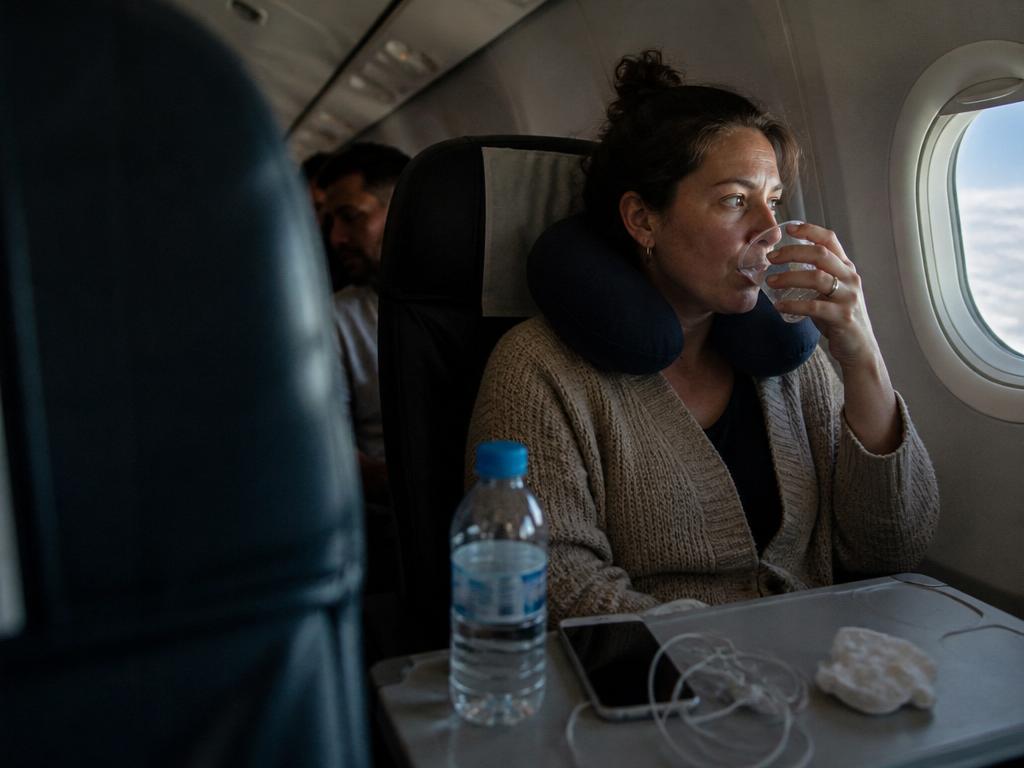
- Sip steadily throughout. Regular small drinks beat occasional big ones, especially since you may not always have easy access to refills.
- Keep water within reach. Having your own bottle (filled after security) means you are not waiting on the cart.
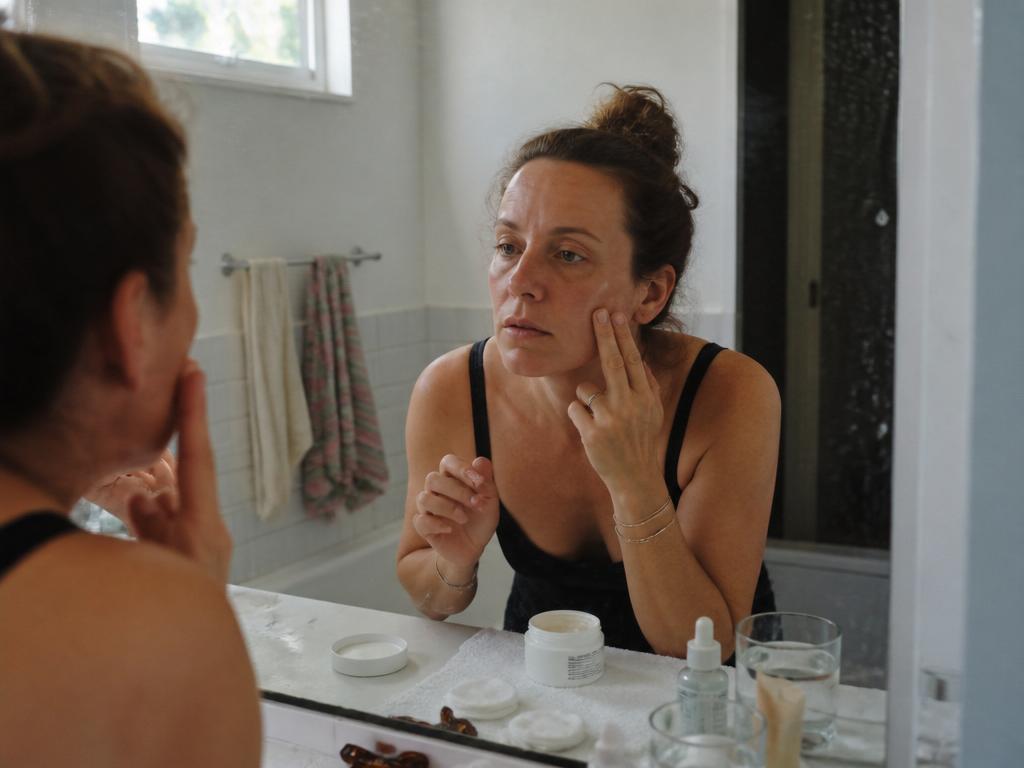
- Protect your surfaces. Moisturiser for skin, lip balm, and — if you wear contacts — switching to glasses or using lubricating drops directly counter the dry-air effect that water alone cannot.
- Mind the air vent. A blast of dry cabin air straight at your face accelerates drying; angle it away if your eyes or skin are struggling.
| Goal | Move |
|---|---|
| Stay internally hydrated | Sip water steadily; bring your own bottle |
| Protect skin | Moisturiser, lip balm, reapply on long flights |
| Protect eyes | Glasses over contacts; lubricating drops |
| Reduce direct drying | Angle the overhead vent away from your face |
A balance note: the aim is steady, comfortable hydration, not drinking so much that you are queuing for the bathroom the entire flight. Sensible, regular sips do the job.
Limiting the things that dry you further
Beyond the cabin air itself, a few common in-flight choices quietly deepen the dryness. You do not have to be rigid, but knowing them lets you choose with eyes open.
- Alcohol. It is dehydrating and can leave you feeling worse on arrival, on top of an already drying environment. Going easy, and matching any drinks with water, helps.
- Lots of caffeine. Your coffee or tea does count toward fluids, but piling on caffeine in a dry cabin is not the most hydrating strategy; balance it with water.
- Very salty plane food and snacks. Heavily salted meals can leave you reaching for more fluid. Pairing them with water keeps things even.
- Sleeping with the vent blasting. Hours of dry air on your face while you sleep is a recipe for waking up parched; redirect it before you nod off.
A few final notes for the way women actually travel:
- Pregnancy and flying deserve specific advice — air travel during pregnancy, including hydration and movement, is worth discussing with your own clinician before a long-haul trip.
- Cycle and midlife shifts can change how dryness and fatigue hit you in the air, so adjust to how you feel on the day.
- Move and stretch when you can; circulation is part of arriving feeling human, alongside hydration.
The bottom line
Long-haul cabins are extremely dry, pulling moisture from your skin, eyes, and airways over hours — so arrive hydrated, sip water steadily with your own bottle, and protect your surfaces with moisturiser, lip balm, and glasses over contacts, since water alone won’t fix surface dryness. Go easy on alcohol, heavy caffeine, and salty snacks, redirect the vent, and keep moving. If you are pregnant, clear your long-haul plan with your clinician first.