
Hydration and Healthy Skin: What It Can and Can't Do
A reality check on the water-for-glowing-skin promise: what internal hydration genuinely does, where the claims oversell it, and why barrier care matters.
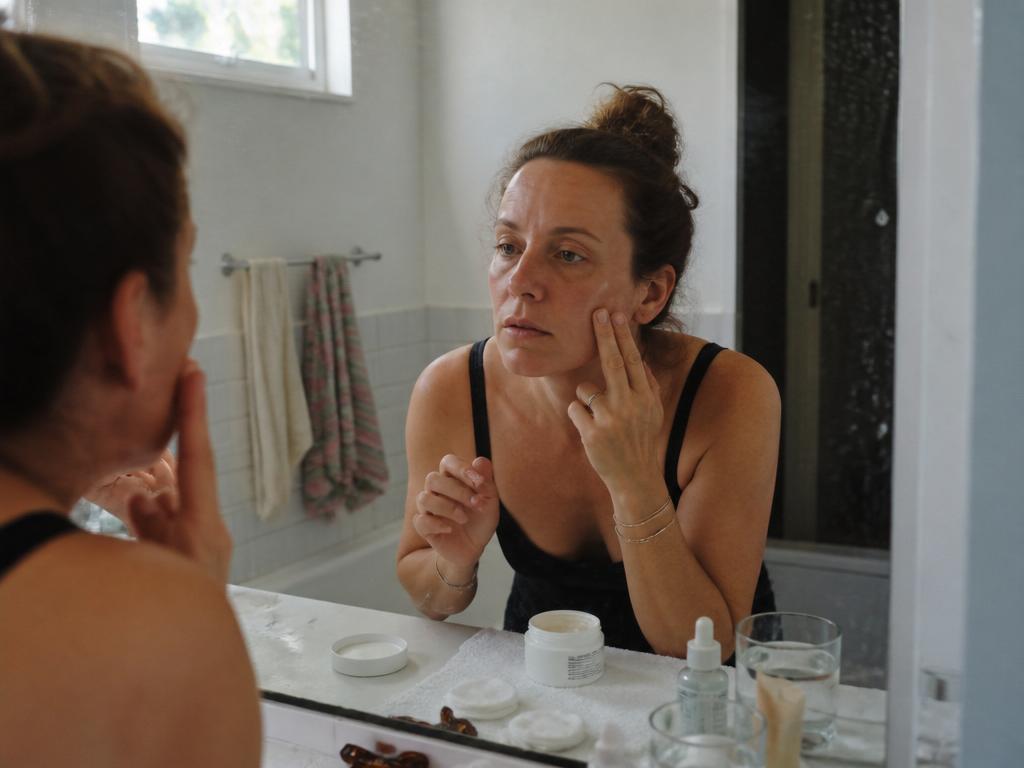
“Drink eight glasses a day for glowing skin” is one of the most repeated beauty tips around. The truth is more nuanced: hydration matters for your skin, but it is not the magic switch the promise implies, and chasing it as one tends to disappoint.
What hydration does for skin
Your skin is a living organ, and like the rest of you, it functions best when your body is adequately hydrated. Severe dehydration is genuinely visible — skin can look duller and feel less resilient when your whole system is running dry. So being well hydrated is a sensible part of skin health.
What internal hydration realistically supports:
- Overall skin function. Properly hydrated skin tends to feel and look better than dehydrated skin, because the tissue is working in good conditions.
- Avoiding the dehydrated look. Correcting a real fluid deficit can make tired, flat-looking skin look fresher.
- A supporting role, not a starring one. Hydration is one input into how skin looks, alongside sleep, sun exposure, age, genetics, and skincare.
The honest framing: drinking enough water helps your skin do its job, and not drinking enough can show. That is a real, worthwhile effect. It is just a different claim from “more water equals visibly better skin.”
Where the claims oversell it
The popular promise quietly assumes that if some hydration is good, more must be better — drink extra and watch your skin transform. That is where it outruns the evidence.
A few places the claim overreaches:
- More than enough is not better. Once you are adequately hydrated, pouring in extra water does not keep improving your skin. Your body simply clears the surplus.
- Hydration is not a fix for every skin concern. Lines, texture, pigmentation, and most specific skin issues have causes that water does not touch.
- “Glow” is multifactorial. Sleep, sun protection, diet, hormones, age, and genetics all shape how skin looks, often more than fluid intake does.
- Skin dryness and body dehydration are not the same thing. You can be perfectly hydrated internally and still have dry skin on the surface, which is largely about the skin barrier rather than how much you drank.
This last point is the crux of so much confusion, so it is worth its own section.
Barrier care vs. internal hydration
Surface skin dryness is mostly about your skin barrier — the outer layer that holds moisture in and keeps irritants out. When that barrier is compromised by weather, harsh products, hot water, or simply individual skin type, skin loses moisture and feels dry, regardless of how much water you have drunk.
| Internal hydration | Skin barrier care |
|---|---|
| Comes from fluids and food | Comes from how you treat your skin’s surface |
| Supports overall skin function | Governs surface dryness directly |
| Helps avoid a dehydrated look | Helps skin hold its own moisture |
| Has a ceiling — more is not better | Responds to topical care and environment |
What this means in practice:
- Drink to stay adequately hydrated, because it supports your skin and your whole body — but do not expect water alone to fix surface dryness.
- Surface dryness usually responds to barrier care, not more glasses of water: gentler cleansing, moisturising, protecting against harsh weather, and avoiding very hot, stripping showers.
- Hormonal stages matter. Skin dryness often increases in perimenopause as estrogen declines, and that is more about hormones and the barrier than fluid intake.
- Persistent or troubling skin issues are clinician territory. Stubborn dryness, irritation, or changes you cannot explain are worth taking to a professional rather than treating with hydration alone.
The bottom line
Hydration genuinely supports healthy skin, and being dehydrated can show — but drinking extra water beyond adequate is not a path to glowing skin, and most surface dryness is a barrier issue, not a fluid one. Stay well hydrated for your whole body, address dry skin with gentle barrier care and sun protection, and remember that sleep, age, and hormones shape your skin too. For persistent skin concerns, see your own clinician rather than relying on the water-glass myth.