Do Women Actually Need Less Water Than Men? Reading the Guidelines
Where the common daily-fluid figures come from, why body size matters more than sex alone, and how food quietly fills the gap.
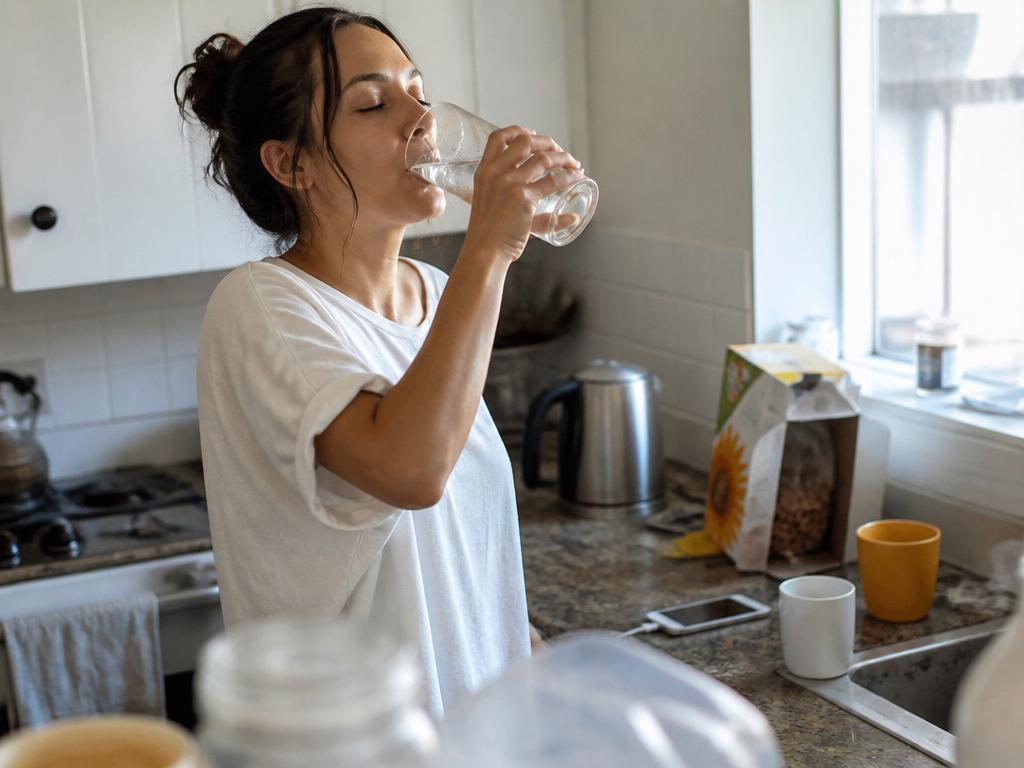
You have probably heard a tidy number for how much water you should drink, and you have probably also heard a different one. The truth is less catchy: the “right” amount is a range, and your body, your day, and what is on your plate all move the dial.
What the general guidelines actually say
Most national health bodies publish total water recommendations that include everything — plain water, other drinks, and the moisture in food. When you see headline figures suggesting women need somewhat less total fluid per day than men, that gap mostly reflects average differences in body size and lean mass, not some separate female plumbing.
A few things are worth knowing about these figures:
- They describe populations, not individuals. Half of any healthy group will sit above the average and half below.
- They usually fold in fluid from food, which can be a meaningful share of the total.
- They assume a temperate climate and ordinary activity. Heat and exercise change the picture quickly.
So the familiar “drink this many glasses” rule is a simplification of a simplification. It is a reasonable starting anchor, not a target you have failed if you miss.
Why one number doesn’t fit everyone
Two women of the same age can have genuinely different fluid needs. The factors that matter most tend to be:
- Body size and composition. A larger body, and more muscle, generally means more water turnover.
- Activity and sweat. A hot run can cost more fluid in an hour than a sedentary day asks for in total.
- Climate and altitude. Heat, dry air, and elevation all raise losses.
- Life stage. Pregnancy and breastfeeding raise needs, and hormonal shifts across the cycle and into perimenopause can subtly change how thirsty or puffy you feel.
- Health conditions and medications. Some raise fluid needs; a few require limiting fluids. If that is you, your own clinician’s guidance overrides any general rule.
Because of all this, body size is usually a better predictor of your needs than your sex on its own. A common approach clinicians describe is to scale fluids loosely to body weight rather than reaching for a single universal glassful count.
Food’s underrated contribution to fluids
Here is the part most “drink more water” advice skips: a real portion of your daily fluid arrives as food. Fruit, vegetables, soups, yoghurt, and even cooked grains carry water you never think to count.
| Food type | Rough water content |
|---|---|
| Cucumber, lettuce, watermelon | Very high |
| Tomatoes, berries, citrus, melon | High |
| Yoghurt, cottage cheese, broth-based soups | High |
| Cooked oats, beans, pasta | Moderate |
This is why people eating plenty of produce can stay well hydrated on less plain water than a chart would predict — and why someone living on dry, salty convenience food might need more. It also means hydration is not a separate chore bolted onto your day. A water-rich lunch is doing quiet work in the background.
The practical takeaway: instead of policing an exact glass count, build a day with some water-heavy foods, drink to thirst, and use simple signals — energy, concentration, urine colour — to adjust.
The bottom line
Women are not built to need dramatically less water than men in any meaningful sense; the smaller headline figures mostly track smaller average body size. Your real needs depend on how big you are, how much you move, the weather, your life stage, and your health. Treat published numbers as a loose anchor, let food count toward the total, and trust thirst and your own clinician over any one-size-fits-all glass count.