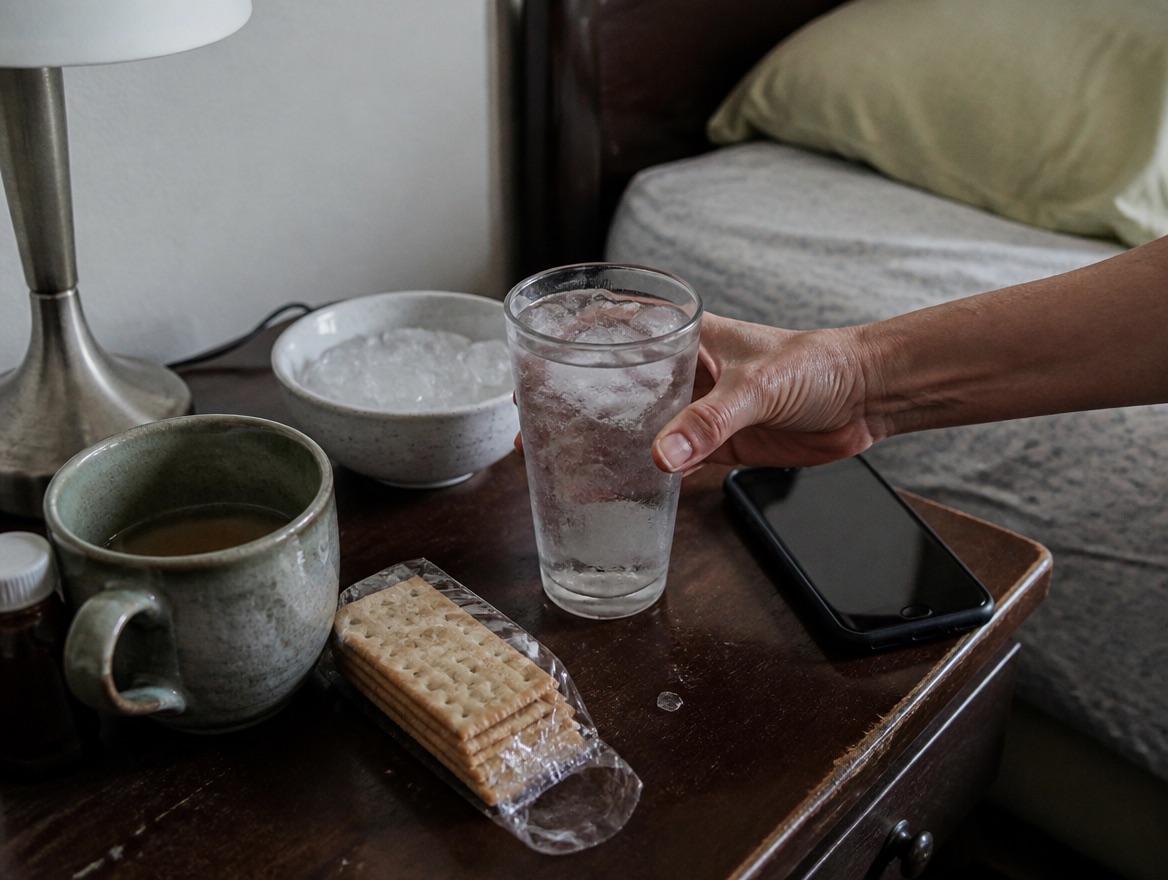
Coffee, Tea, and Hydration: Does Caffeine Really Dehydrate You?
Untangling the caffeine-diuretic myth from how habitual drinkers actually fare, and why your morning coffee still counts toward your fluids.

“Coffee doesn’t count — it dehydrates you.” It is one of the stickiest pieces of hydration folklore, and it is mostly wrong. The reality is gentler and more interesting than the myth.
The mild diuretic effect, in perspective
Caffeine is a mild diuretic, meaning it can nudge your kidneys to produce a little more urine. That part is true, and it is where the myth was born. But the size of the effect, and what it actually means for your overall fluid balance, is where the story usually goes sideways.
Two things keep the effect modest:
- The fluid comes with the caffeine. A cup of coffee or tea is mostly water. Even if caffeine prompts a slightly larger urine output, you have taken in a substantial volume of fluid alongside it. The net contribution to your hydration stays positive for typical servings.
- The effect is dose-dependent and easy to overstate. At the amounts most people drink in a normal day, the diuretic nudge is small. It becomes more noticeable mainly with large doses, especially in someone who rarely consumes caffeine.
So the picture is not “coffee drains you.” It is “coffee hydrates you, with a small offsetting tug.” For everyday cups, the water wins.
Why your morning coffee still counts
Because the fluid outweighs the mild diuretic effect, your usual coffee and tea genuinely count toward your daily fluids. This matters, because the myth quietly pushes people to drink extra plain water to “make up for” their coffee — water they may not need.
A more accurate way to think about it:
| Drink | Net hydration contribution |
|---|---|
| Water | Full |
| Tea, coffee (typical servings) | Most of the volume counts |
| Very large caffeine doses | Slightly reduced, still net positive for most |
This does not make caffeinated drinks a free-for-all — sleep, jitters, reflux, and individual tolerance are all real reasons to moderate. But on the narrow question of hydration, you do not need to treat your morning cup as a debt to be repaid. It is part of your fluid intake, not a leak in it.
Where caffeine sensitivity comes in
The reason blanket statements fail is that people differ, and so do bodies on different days. A few sources of variation worth knowing:
- Habituation. Regular caffeine drinkers develop a degree of tolerance to its diuretic effect, so for daily-cup people the nudge tends to be smaller still. The effect is most pronounced in someone who almost never has caffeine and then takes a large dose.
- Dose and concentration. A single espresso and a giant energy drink are not the same. Stronger, larger doses move the needle more.
- Individual sensitivity. Genetics and personal physiology mean some people feel caffeine far more than others — in heart rate, alertness, and bathroom trips alike.
- Context. Hormonal shifts across the cycle and into perimenopause can change how caffeine feels day to day, and during pregnancy many clinicians advise limiting caffeine for reasons unrelated to hydration — a conversation to have with your own clinician.
The honest summary is that caffeine’s effect on your fluids depends on how much you have, how used to it you are, and who you are. For most habitual drinkers having ordinary amounts, it is a minor footnote.
The bottom line
Caffeine is a mild diuretic, but the fluid in your coffee and tea more than makes up for it, so your usual cups count toward hydration rather than working against it. The dehydrating effect is real mainly at large doses in people who rarely consume caffeine, and regular drinkers adapt. Moderate caffeine for sleep, comfort, or — in pregnancy — your clinician’s advice, but you do not need to chase every coffee with a glass of penance water.