Knowing Your Sweat Rate: A Simple At-Home Check
A weigh-before-and-after method to personalize fluid replacement, how to turn the result into a drinking plan, and why sweat rate varies so much.
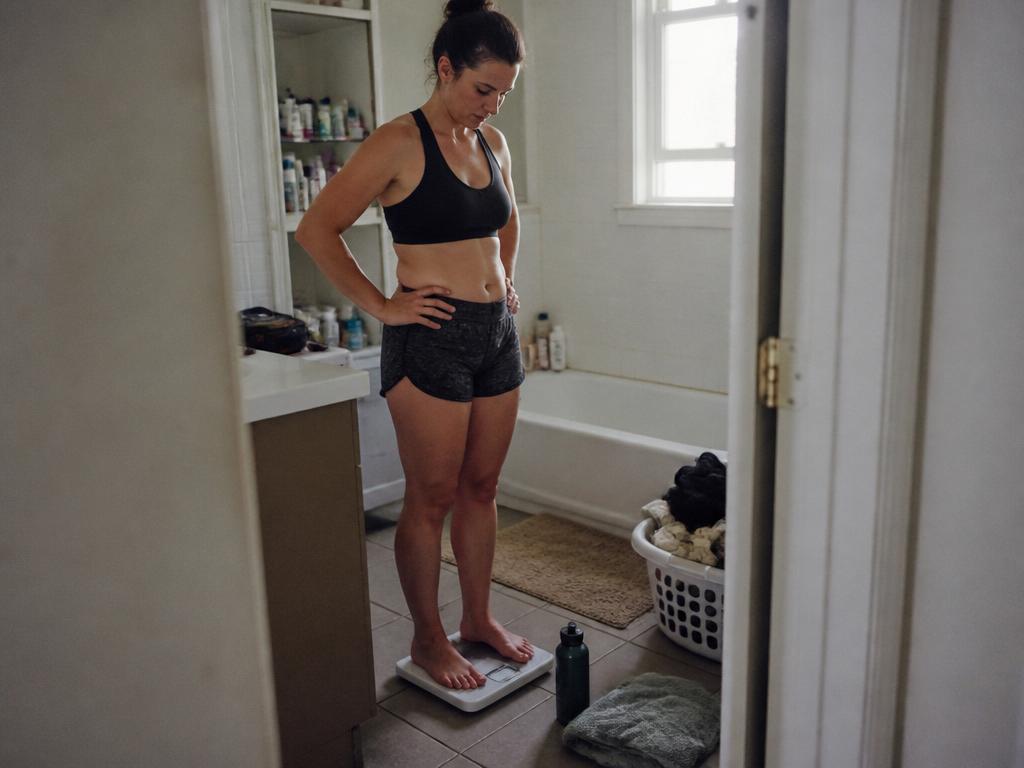
Generic “drink this much” advice falls apart the moment you realise how differently people sweat. The fix is to stop guessing and measure your own losses with a quick weigh-in — no lab, no gadgets, just a scale and a bit of curiosity.
The before-and-after weigh-in
The principle is elegantly simple: the weight you lose during a workout is, for the most part, water you sweated out. So if you weigh yourself before and after a session, the difference tells you roughly how much fluid you lost.
How to do it cleanly:
- Weigh yourself just before the session, ideally with minimal clothing and after using the bathroom.
- Train as you normally would, noting roughly how much you drink during the session if anything.
- Weigh yourself again right after, towelled off and in similar clothing, before drinking a lot more.
- Compare the two. The drop in body weight, adjusted for any fluid you drank during the session, approximates your sweat loss for that workout.
The logic: if you finished lighter than you started, that missing weight is mostly sweat. If you drank during the session, you would have ended even lighter without it, so you account for that fluid when estimating the total you lost. It is an estimate, not a precision instrument — but it is a far better guide than a one-size-fits-all rule.
Turning losses into a drinking plan
Once you know roughly how much you lose in a typical session, you can shape a fluid plan that fits you rather than an average.
Ways to use the number:
- Gauge how much you tend to under-drink. If you routinely finish well below your starting weight, you are likely not replacing enough during the session, and sipping more next time makes sense.
- Match conditions. Do the check on a cool day and a hot day, or an easy session and a hard one, and you will see how much your losses swing with circumstances.
- Build a per-session habit. Translate your typical loss into a steady sipping pattern during exercise, then refill the remainder gradually afterward.
- Pair fluid with sodium for big losses. Heavy sweaters losing a lot over long sessions are also losing more salt, so electrolytes earn their place as losses climb.
A guardrail: the aim is to replace, not to overcorrect. You do not need to match every drop in real time, and drinking far beyond your losses is its own problem. Use the number to stop under-drinking, not to start over-drinking.
Why sweat rate varies so much
If your sweat loss looks nothing like a training partner’s, that is completely normal. Sweat rate is highly individual and shifts with conditions. The main influences:
| Factor | Effect on sweat losses |
|---|---|
| Intensity and duration | Harder and longer means more sweat |
| Heat and humidity | Warm, humid air drives losses way up |
| Body size and fitness | Both shape how much and how readily you sweat |
| Acclimatisation | Heat-adapted bodies sweat differently |
| Clothing and airflow | Trapped heat increases sweating |
For women, there are extra layers worth knowing:
- Your cycle can nudge things. Body temperature and how you feel during exercise can shift across the cycle, so your sweat experience may not be identical week to week.
- Pregnancy changes the picture. Fluid needs and heat tolerance differ in pregnancy, and exercise hydration is best tailored with your own clinician rather than an old baseline.
Because of all this variation, the single most useful thing is not a universal number but your number, measured a few times across different conditions.
The bottom line
A simple before-and-after weigh-in turns vague hydration advice into a plan built around your actual losses: weigh in, train, weigh out, and account for anything you drank. Use the result to stop chronically under-drinking, add sodium when losses are large, and re-check across hot and cool, easy and hard days — since sweat rate varies enormously. If you are pregnant, set your plan with your clinician instead of relying on past numbers.